Everyday items, from water and food packaging to furniture and cleaning products, can carry harmful chemicals, but a few practical steps can meaningfully reduce your exposure.
The uncomfortable truth is that everyday things like water, food packaging, household cleaning products, and furniture can carry unhealthy chemicals. The encouraging news: You can meaningfully reduce your exposure without turning your life upside down. Better yet, when we push for better national safety standards, the benefits reach everyone.
Lead exposure
In your home, start by preventing lead exposure. No amount of lead is safe, and young children are especially vulnerable because of lead’s effects on developing brains.
Over the last 50 years, removing lead from gasoline and banning lead paint were major public-health victories. While lead is still present in many older homes and infrastructure, there are practical, proven ways to manage the risk. Lead is most likely to show up in homes built before 1978 (when lead paint was banned), especially on windows, doors, and other painted surfaces. Lead can also show up in water, due to lead service lines and plumbing, as well as through soil.
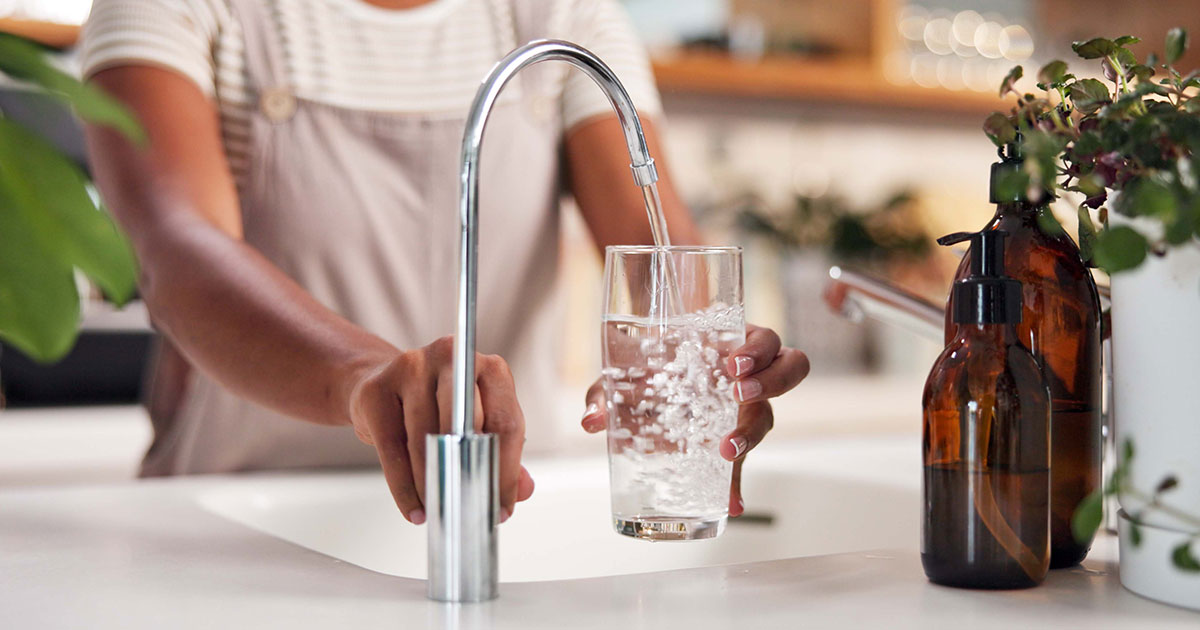
If you live in an older home, a certified lead risk assessor can pinpoint issues and help you decide what, if anything, needs attention. You can also ask your water utility whether your service line is made of lead and whether they’ll test your tap water. Some utilities even do it for free. If you garden or your kids play outside, a simple soil test can guide you on safe planting and play areas.
Chemicals in food
A second risk to look out for is chemicals in food. They can accumulate in the body over time, and the cumulative effect can take a toll on our health, learning, behavior, and attention. A recent Environmental Defense Fund analysis found 25 cancer-causing ingredients in food, many of which can also be found in our environment. But it doesn’t have to be this way.
There are several small actions we can take to reduce our exposure risk. Luckily, these are the same actions your doctor probably recommends already, like eating a diverse diet, avoiding highly processed foods, thoroughly washing fresh fruits and vegetables, buying organic when possible, and using glass storage containers instead of plastic ones.
Home products and furnishings
A third area where toxic chemicals can lurk is in home products and furnishings. From furniture to electronics and plastic storage containers, our homes are full of things that could carry a risk. But with a little research and a few precautions, we can lower the amount of chemicals in our homes.
For example, new mattresses, rugs, and carpets can sometimes release into the air chemicals like formaldehyde or PFAS (“forever chemicals”) that are linked to cancer, asthma, and other illnesses. The good news is you don’t have to guess which is the safer choice. Look for trusted certifications such as GOTS, MADE SAFE, Greenguard/Greenguard Gold, Green Label Plus, Safer Choice, and Oeko-Tex.
Individual choices are powerful, but the biggest wins come when safety is built in. Consumers shouldn’t need a Ph.D. in chemistry to find safe products, water, or food. Communities across the nation rely on policies from our government’s Food and Drug Administration and Environmental Protection Agency to ensure our food, water, and household products are safe. When we pair everyday steps with better standards, we create healthier homes now and can protect the health and environment for generations to come.
