As electricity rates soar and renters are left without access to rooftop solar, a new California bill could put clean, affordable energy within reach for millions.
Californians are facing an energy affordability crisis. Over the past decade, electricity rates have nearly doubled, leaving many families — especially renters and working-class households — with an impossible choice: They can either cool their homes during heat waves, or pay for groceries and other essentials.
A new bill in the state Senate offers a common-sense, easily achievable way to fight back, and it deserves strong public support.
What is balcony solar?
Senate Bill 868, known as the Plug Into the Sun Act, would make “balcony solar” accessible, affordable, and safe for millions of Californians. Authored by Sen. Scott Wiener (D-San Francisco), the bill cuts through outdated red tape that currently blocks people from using small, plug-in solar devices that can lower energy bills immediately.
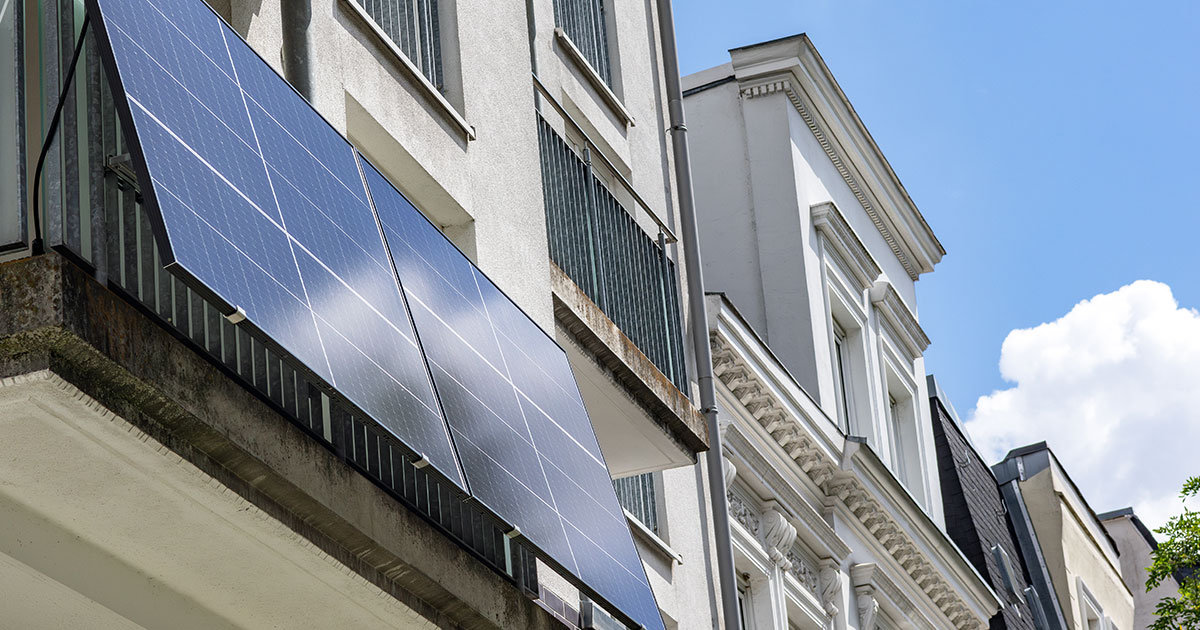
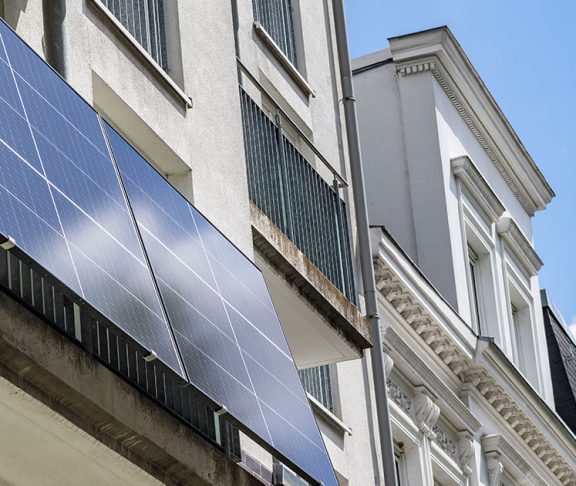
Balcony solar systems are exactly what they sound like: compact solar panels that can attach to an apartment balcony railing, sit on a patio, or rest in a small yard. They plug directly into a standard wall outlet and instantly begin powering everyday essentials such as lights, refrigerators, computers, and even air conditioners using nothing more than the wires that exist inside a home or apartment.
No expensive electrician. No building contractor. No approval from the state’s monopoly power companies. Just sunlight, a plug, and guaranteed lower electricity bills for renters and other Californians.
That’s a game-changer in a state where 44 percent of households rent. For renters and anyone without access to a roof, balcony solar offers more choice and more energy freedom.
With prices starting between $500 and $1,200, these systems can cover up to 20 percent of a typical household’s electricity use. That translates into real savings on monthly utility bills and financial relief that families can feel right away. Consumers can also add a battery to power their appliances during grid outages.
Why this matters most in summer
Balcony solar also shines when Californians need it most. During hot summer months, when the grid is under the most strain as air conditioners push electricity demand and bills to their highest levels, these systems generate power. That helps lower household costs, reduce the risk of blackouts, and make the grid more resilient for everyone.
Cutting through the red tape
So, why isn’t balcony solar already widespread here? In short: bureaucracy.
California’s rules treat these small, portable systems as if they were full-scale power plants, triggering unnecessary permits, fees, and complex utility approvals. SB 868 fixes that by classifying balcony solar panels as household appliances and setting clear, statewide safety standards. Less red tape, more safety, and more savings.
This approach isn’t radical. In Europe, especially Germany, millions of balcony solar systems are already in use.
At a time of rising bills and the increasing impacts of air pollution, SB 868 offers Californians lower costs, cleaner energy, and more control over their own power. It’s time to plug into the sun and pass this bill.
