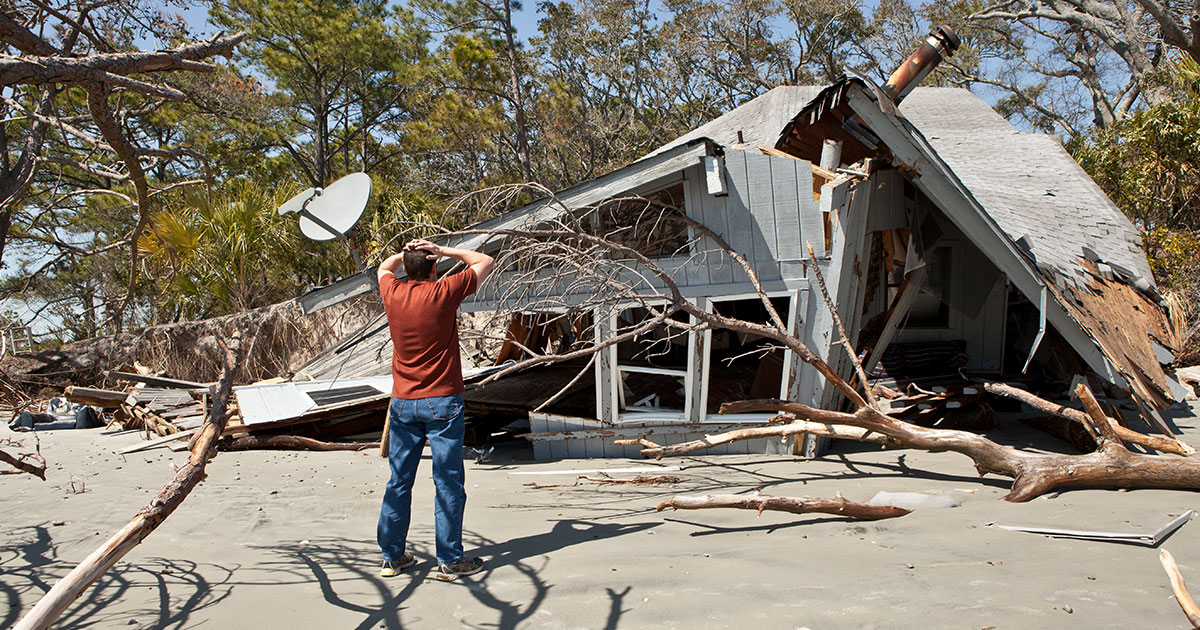
Recovery almost always takes longer than survivors expect, and the steps taken today shape how quickly rebuilding can begin.
No one expects a disaster until it happens. Yet, after floods, tornadoes, hurricanes, wildfires, and other disasters, survivors consistently identify common lessons they wish they had learned beforehand. While every journey is unique, these insights can help families, businesses, and communities prepare with greater confidence.
Recovery takes longer than expected
Recovery often takes far longer than survivors anticipate. It begins with cleaning up debris, then replacing belongings, repairing homes and businesses, navigating insurance claims, coordinating contractors, and restoring daily life.
What many expect to take weeks can stretch into months or even years. The process feels slower than anyone imagines going in. Understanding this reality helps survivors set realistic expectations and focus on steady progress.
Where SBA disaster loans fit
The U.S. Small Business Administration (SBA) plays an important role in disaster recovery by providing low-interest disaster loans to eligible homeowners, renters, businesses, and nonprofit organizations. These loans may help repair or replace damaged real estate, personal property, equipment, inventory, and other qualifying losses. Eligible borrowers may also qualify for additional funds up to 20% of verified physical damage for mitigation improvements that help reduce damage from future disasters, such as strengthening roofs, elevating structures, or installing protective measures.
Document your property now
Documenting your property is critically important. Photos or videos of your home or business, along with copies of insurance policies, financial records, identification, and other important documents, can make recovery much smoother. Taking a simple room-by-room video once a year, keeping digital backups, and storing documents in a fireproof or waterproof container can save valuable time when they’re needed most.
Insurance and assistance serve differently
Many survivors discover disaster assistance and insurance serve separate purposes. Insurance often provides the first step toward recovery, but it may not cover every loss, such as flooding under a standard homeowners policy. Understanding your policy coverage before disaster strikes, along with knowing where additional assistance may be available, helps survivors make informed decisions during recovery.
Survivors do not have to wait for an insurance settlement to apply for an SBA disaster loan. If insurance proceeds are received later, they are applied to the loan balance.
Preparedness is the strongest step
Preparedness remains the most powerful step anyone can take. Developing a plan, protecting important documents, reviewing insurance coverage, and becoming familiar with available recovery resources now can ease uncertainty later and support a more confident recovery. Even small actions taken today, such as saving key phone numbers, gathering documents in one place, or creating a simple inventory, can spare hours of stress later.
Disasters can change lives in an instant, but the steps individuals take before a storm often determine how quickly they can rebuild and recover afterward. Knowing where to turn for trusted resources, such as SBA disaster assistance, empowers individuals, businesses, and communities to access vital help in their times of need.
The bottom line: Don’t wait until a storm is in the forecast to prepare. Taking action today builds the foundation for a stronger recovery tomorrow. When the unexpected happens, SBA stands ready to help.
