Author and zero-waste advocate Kathryn Kellogg says sustainable living isn’t about being perfect; it’s about building habits that make the responsible choice feel like the easy choice.
What’s the biggest misconception people have about living a low-waste or sustainable lifestyle?
One of the biggest misconceptions about sustainable and zero-waste living is that you have to be perfect. But there really isn’t a way to be “perfectly” sustainable. It really is about doing the best you can. Living more sustainably adds so much value and joy to my life. I don’t have nearly as much clutter, I save a lot of money, and I get to focus on the things that are truly important to me. It’s more about what it adds to your life, and then advocating for broader changes that shouldn’t be on individuals in the first place. Join a local advocacy group, show up for policy changes, and push for better infrastructure and better corporate responsibility. The goal isn’t to be perfect; it’s to help build a world where the sustainable choice is the default.
For someone just starting out, what are the most impactful changes they can make at home without a major lifestyle overhaul?
If you’re just starting out, one of the most impactful changes you can make is tackling your food waste. If food waste were a country, it would be the third-largest producer of greenhouse gas emissions behind the United States and China. I wrote a whole book on the topic that helps you prevent food waste by shopping smarter, storing your food properly, and finding recipes for using less-than-peak produce.
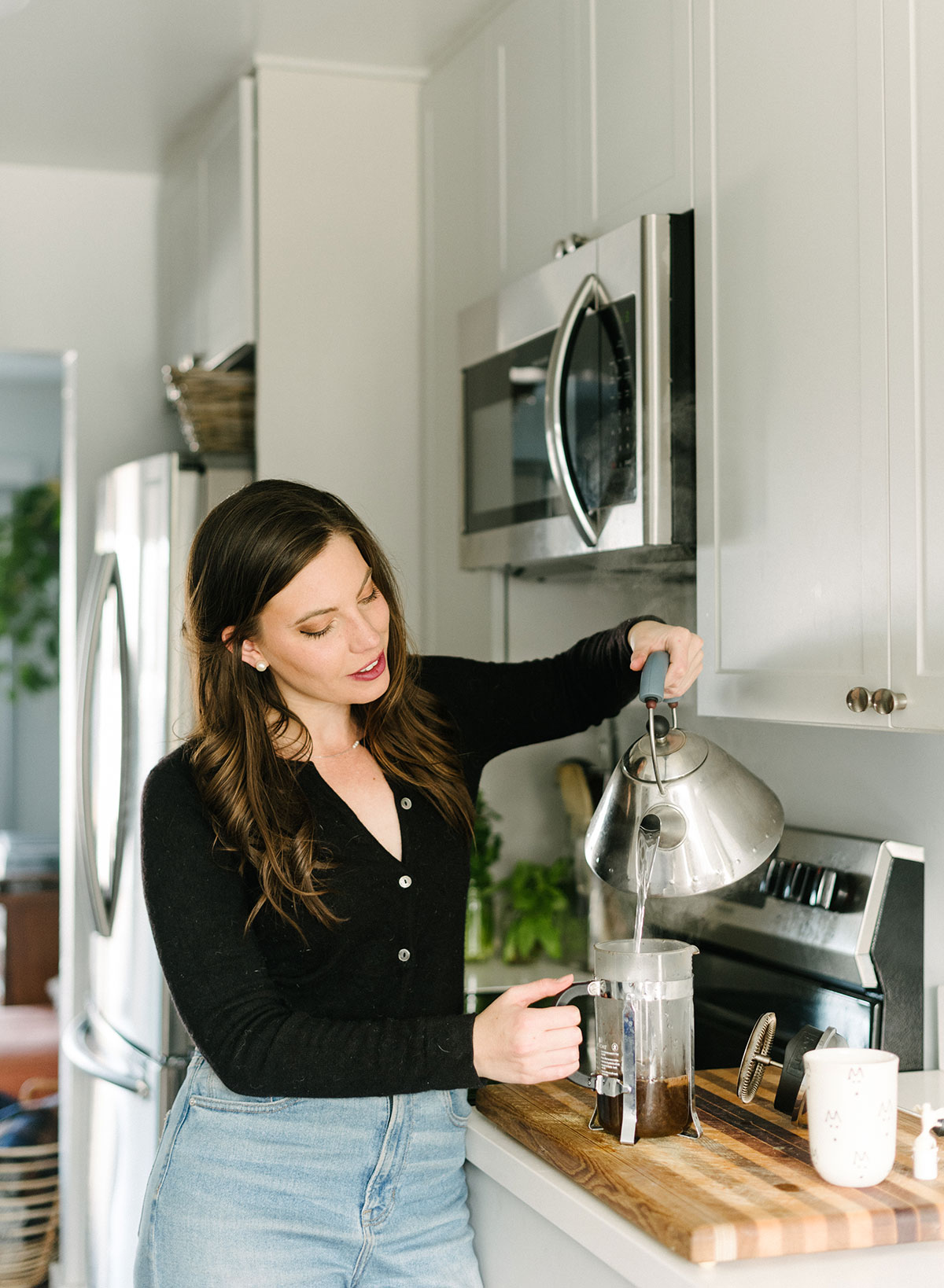
Next, do a “use what you have” reset before buying any swaps. So many people try to start sustainability by purchasing a new set of products. While some of those can be helpful, you may not actually need them in the first place. Use up what’s already in your home, finish what you’ve got, and replace things slowly as they wear out.
Then, set up one system that makes low-waste feel automatic, like a compost container, a donation bin, a repair pile, or even a designated shelf in the fridge for “eat this next.” Sustainability sticks when it’s baked into your routines.
Which everyday household habits do you think people don’t realize have a significant environmental impact?
Some of the top everyday habits that have an outsized environmental impact are food waste, heating and cooling, meat and dairy consumption, and transportation. Composting is a big deal because food waste in landfills produces methane, and even before composting, simply wasting less food is one of the quickest ways to cut your footprint. Heating and cooling are one of the biggest drivers of household energy use, so sealing drafts, using a smart thermostat, or nudging your setpoint a couple of degrees can add up over time. What we eat matters, too, especially how much meat and dairy we consume. Even shifting toward a few more plant-forward meals a week can make a huge difference. Take a look at your transportation. Combining errands, walking or biking when you can, and choosing transit or carpooling when it’s realistic can move the needle more than people think.
What should people look for when trying to identify truly sustainable products in a crowded marketplace?
When you’re trying to spot truly sustainable products, the first filter is always: Do I need to buy this at all, or am I being marketed to? After that, look for durability and repairability. I also look for real transparency: clear materials, clear sourcing, and specific claims that can be verified, rather than vague “eco-friendly” language. If a brand is doing the work, they can usually tell you exactly what they’re doing and why.
Also, don’t let perfect be the enemy of better. A product that you’ll actually use for years beats the “most sustainable” option that ends up abandoned in a drawer. If you can choose secondhand, refillable, or package-light options, you’ll usually be headed in the right direction even without memorizing all the certifications.
Was there a specific moment or habit in your own life that made you commit to low-waste living?
Honestly, it wasn’t one big dramatic moment. It was more like a slow realization that a lot of my “normal” routines were creating a ton of waste and also a ton of stress. Once I started buying less, using what I had, and getting better about food waste, life felt calmer and simpler. Low-waste living stopped feeling like a set of rules and started feeling like a way to make everyday life easier.
