As rising temperatures strain Southern California’s energy systems and deepen inequality, clean energy programs rooted in environmental justice are proving that affordability and sustainability can go hand in hand.
While the sun shines bright over Southern California, our reality is becoming harsher. The air is getting drier, excessive heat days are increasing — particularly in our inland deserts — and climate impacts are no longer distant. Rising temperatures strain our energy systems, drive up utility costs, and deepen inequality. High energy bills are not just inconvenient; they are a barrier to stability and have a disproportionate impact on frontline communities.
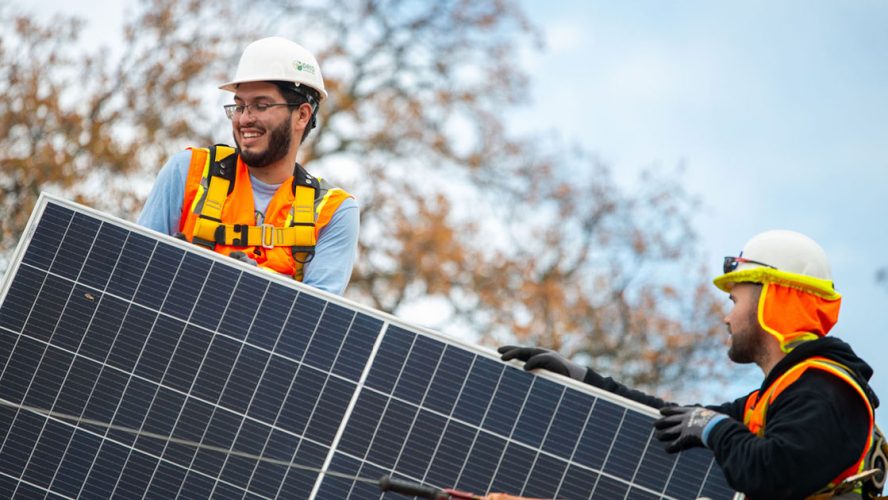
When we center environmental justice, the path forward becomes clearer. At GRID Alternatives Southern California, we have seen how pairing energy efficiency with no-cost or low-cost solar reduces bills, improves health and comfort, and builds resilience. The result is not just cleaner energy and cleaner air. It is dignity, opportunity, and agency for families long excluded from the clean energy transition.
Equitable programs that work
Access matters. California has led the nation in clean energy innovation, but leadership means ensuring no one is left behind. The state must continue and expand its investment in equitable, low-income solar programs alongside robust efficiency and weatherization efforts. Programs like DAC-SASH and SOMAH have shown that when we invest in historically underinvested communities, clean energy adoption accelerates, household energy bills drop, and climate pollution falls. The California Energy Commission’s Equitable Building Decarbonization initiatives build on this success by pairing efficiency upgrades with clean energy, ensuring families are not locked out of climate solutions because of income, housing type, or ZIP code. Preserving and expanding these programs is smart policy and essential infrastructure for a just energy transition.
Investing in people
Technology alone will not deliver the future we want, but people can and will. That is why GRID Alternatives invests in Solar Futures, giving high school students ages 16 to 18 hands-on experience, mentorship, and clear pathways into clean energy careers. These young leaders are not just learning about solar; they are helping their families and neighborhoods navigate energy choices and shaping a movement for climate justice. Empowering youth to participate in, and benefit from, the transition helps ensure our solutions endure and our communities thrive.
Steps anyone can take
Individuals and households can also take practical steps to reduce energy use and costs while advancing equity. Starting with efficiency is key. Sealing air leaks, improving insulation, and upgrading to efficient cooling technologies like heat pumps can lower energy bills while keeping homes safer during extreme heat. Smart thermostats and mindful energy use during peak hours can further reduce strain on the grid. For households that can access it, rooftop solar offers long-term savings and protection from rising utility costs, while programs like SOMAH help renters benefit as well. Choosing efficient appliances, replacing gas equipment with electric alternatives when possible, and learning how homes use energy all contribute to healthier living spaces and a more resilient energy system.
From Gen Z to the Greatest Generation, everyone has a role to play in turning climate awareness into climate action. This is our moment to champion solutions that cut pollution, lower energy bills, create good jobs, and strengthen communities. Whether you start by upgrading your home, advocating for equitable programs, or exploring a career in clean energy, every step counts. Together, we can transform climate anxiety into collective action and build a future where sustainability and justice go hand in hand.
