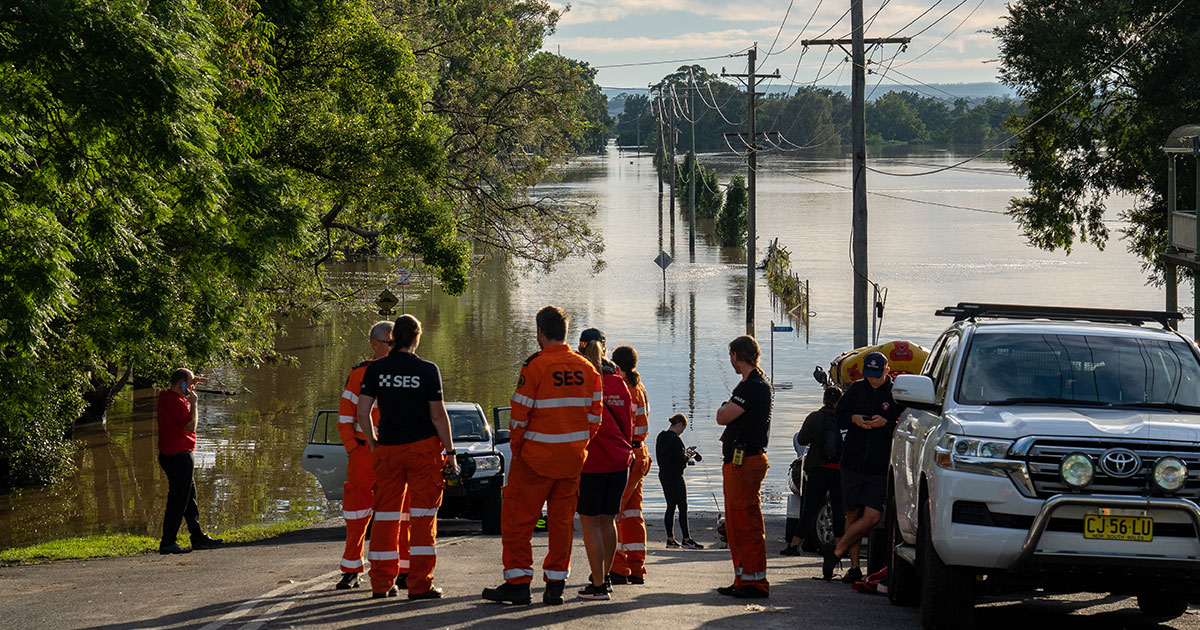
When a disaster strikes, the world responds. Headlines dominate the news cycle, donations surge, and communities and emergency teams rally to help. Then, the attention fades. But for the people living through the aftermath, recovery is only beginning.
Disaster recovery does not happen overnight. Rebuilding homes and restoring infrastructure can take years. Recovery is also about restoring economic stability, mental and emotional well-being, and community connections. It means addressing the vulnerabilities that made people and communities more susceptible to harm in the first place and ensuring that everyone in the affected area has the opportunity to recover stronger and thrive.
That is where the Center for Disaster Philanthropy (CDP) comes in.
As disasters become more frequent and severe amid climate change and global instability, recovery efforts can feel increasingly reactive. CDP helps donors, foundations, and corporations maximize their impact through expert guidance, community-driven grantmaking, and strategic funding focused on long-term outcomes.
What does recovery really mean?
Recovery is often thought of as clearing debris, repairing roads, and rebuilding structures. These efforts are essential, but they are only one part of a much larger process.
True recovery enables people to sustain their physical, social, economic, mental, emotional, and spiritual well-being. It includes housing stability, mental health services, education, livelihood restoration, and community cohesion.
Recovery efforts work best when communities lead the way.
“In every disaster, the people closest to the impact are the people closest to the solution,” said Patty McIlreavy, president and CEO of CDP.
The most effective support invests in local leadership, strengthens community organizations, and advances solutions shaped by lived experience. CDP helps make that possible through expert resources, community-centered grantmaking, and strategic advising.
The funding gap few people see
One of the biggest challenges in disaster recovery is timing. Donations often peak in the days and weeks after a disaster, when public attention is highest. Yet, six months later, funding has often dramatically declined, even though recovery is far from complete.
Communities continue to face housing shortages, food insecurity, economic hardship, and ongoing trauma long after headlines disappear. Long-term recovery remains significantly underfunded despite its critical role in building resilient communities.
Philanthropy can play a vital role in addressing these gaps. Nonprofits and philanthropic organizations are often deeply connected to local communities and can direct resources where they are needed most.
Supporting communities beyond the headlines
Long-term recovery requires more than rebuilding infrastructure. Communities need safe housing, mental health support, and livelihoods, among other urgent needs.
CDP invests strategically, often months or even years after a disaster, when critical gaps become clear. Through its Disaster Preparedness Fund, CDP also supports community resilience and preparedness efforts before disasters occur.
Disasters may capture global attention for a moment, but recovery shapes communities for generations. Learn more about how you can help communities recover at disasterphilanthropy.org.
