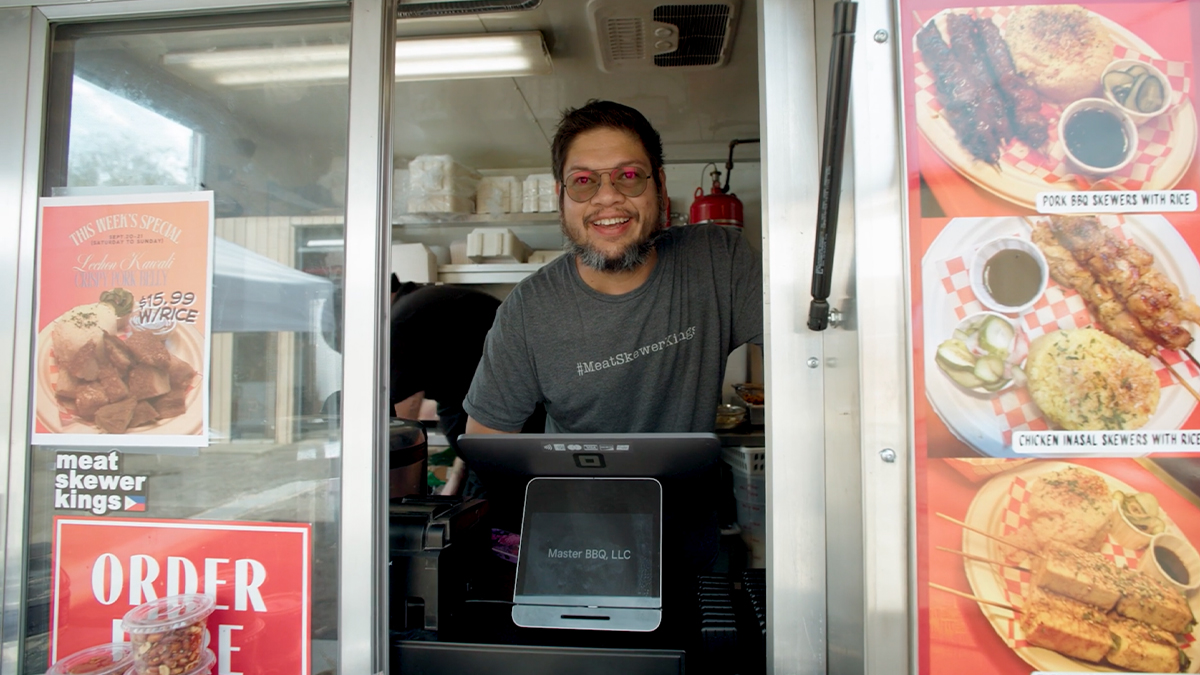

When Hurricane Helene swept through Western North Carolina nearly two years ago, it took Master BBQ’s food truck with it. For Paul Pike, a fourth-generation chef carrying on his family’s Filipino culinary tradition, the loss put his livelihood on hold.
Estimated reading time: 4 minutes
Pike received funding and wraparound support to help rebuild through Mountain Bizworks, one of the community organizations supported by the Truist Foundation Western North Carolina Recovery and Resiliency Fund. The fund is a multi-year grantmaking initiative launched in partnership with the Center for Disaster Philanthropy. His story offers a glimpse of what long-term disaster recovery can look like when the goal is not simply to provide immediate relief, but to help communities build a better, more sustainable future.
Recovery doesn’t end when the emergency does
In November 2024, Truist and Truist Foundation — headquartered in Charlotte — announced a three-year, $725 million commitment to support recovery and resiliency across Western North Carolina. As part of that broader commitment, Truist Foundation partnered with the Center for Disaster Philanthropy (CDP) on a $21 million fund focused on long-term recovery.
That fund has now been fully deployed, supporting housing, small businesses, and community resilience across the region.

Namrata Yadav
Chief Culture and Philanthropy Officer, Truist
For Truist, the initiative reflects the connection between financial and community resilience. “A disaster can erase years of financial progress in just a matter of days,” noted Namrata Yadav, chief culture and philanthropy officer at Truist. Helping communities recover, she said, is part of taking a long-term view of financial resilience.
Start by asking what the community needs
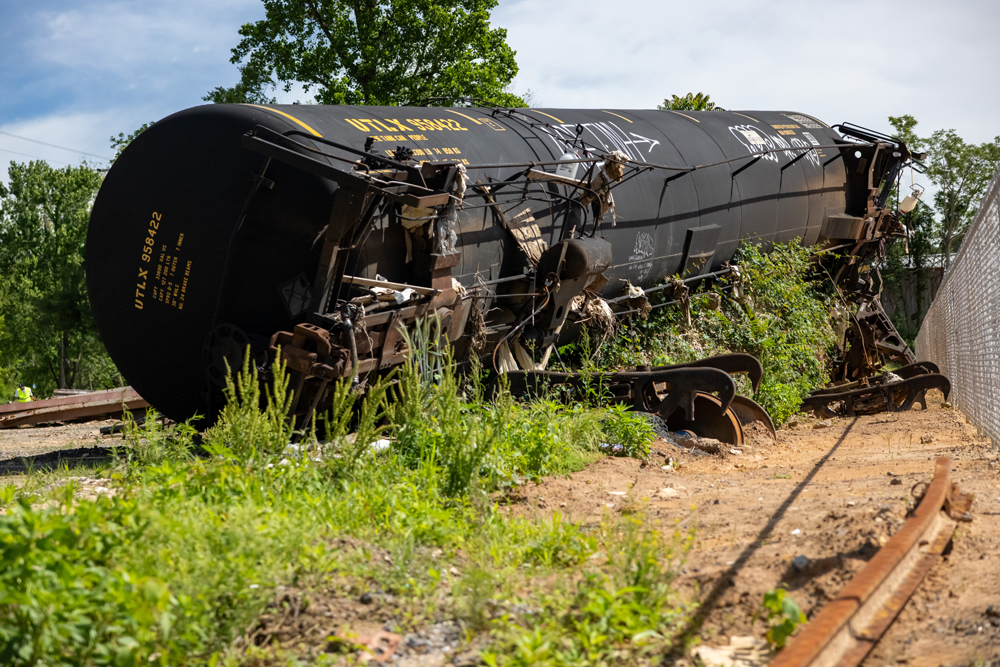
The approach wasn’t simply to decide what communities needed from a distance and write checks accordingly. Truist Foundation and CDP began with a needs assessment and disaster impact study, then used those findings to shape and adjust grantmaking as recovery evolved.
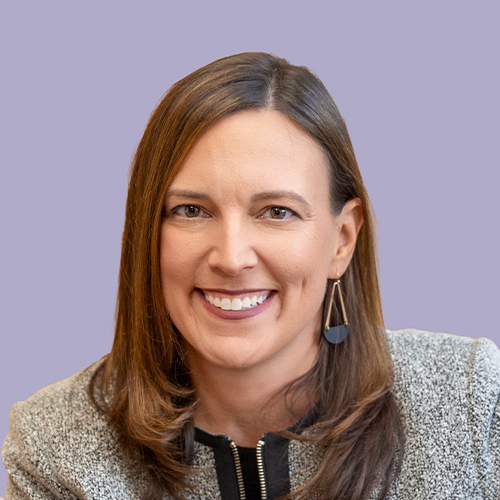
Sara Manning
Head of Operations, Truist Foundation
“Together we used those findings to adjust the strategy,” shared Sara Manning, head of operations at Truist Foundation, “to ensure that the funding continued to address the right needs at the right time over the long haul.”
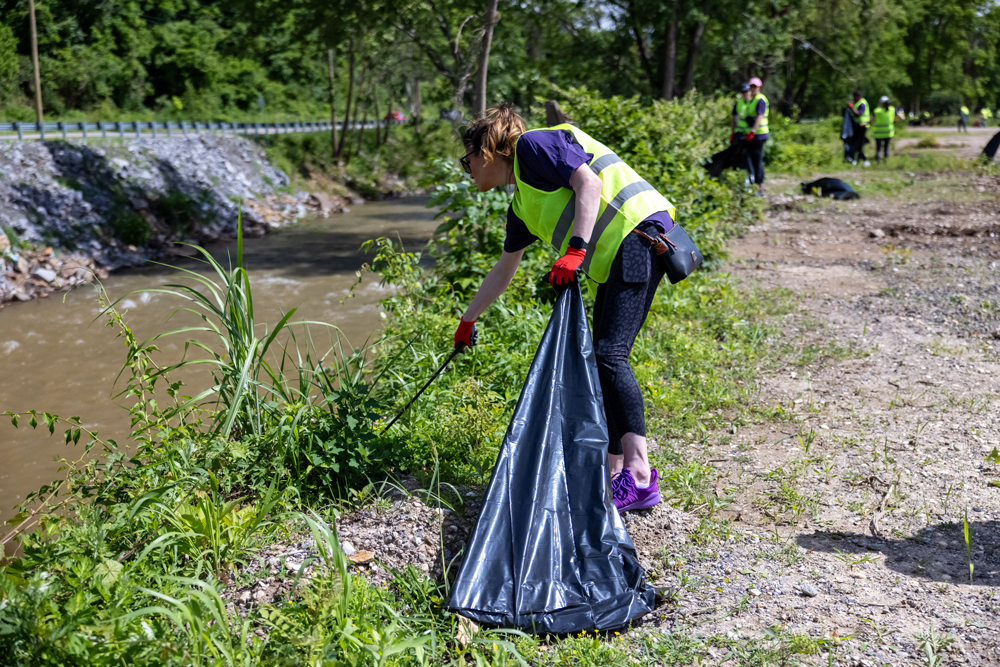
That meant continuing to listen as needs changed and using local knowledge to help identify gaps. The resulting support reached areas and communities that can easily be overlooked in disaster response, for example, supporting small businesses including farmers, mobile home repair and replacement, disaster case management, and pro bono legal services.
Rebuilding more than what was lost
Supporting a small business can have an impact that scales beyond any single owner. When a business reopens, jobs are preserved, local commerce resumes, and another piece of a community’s economic life returns. The “main streets” within the rural communities aren’t just in name; these are areas where rebuilding and resilience are essential for the well-being and future growth of those in the city’s limits.
Because of CDP and Truist Foundation’s grant to Mountain BizWorks, Pike and his wife not only received funding to help rebuild Master BBQ, but support that helped strengthen their business and restore their confidence in reopening.
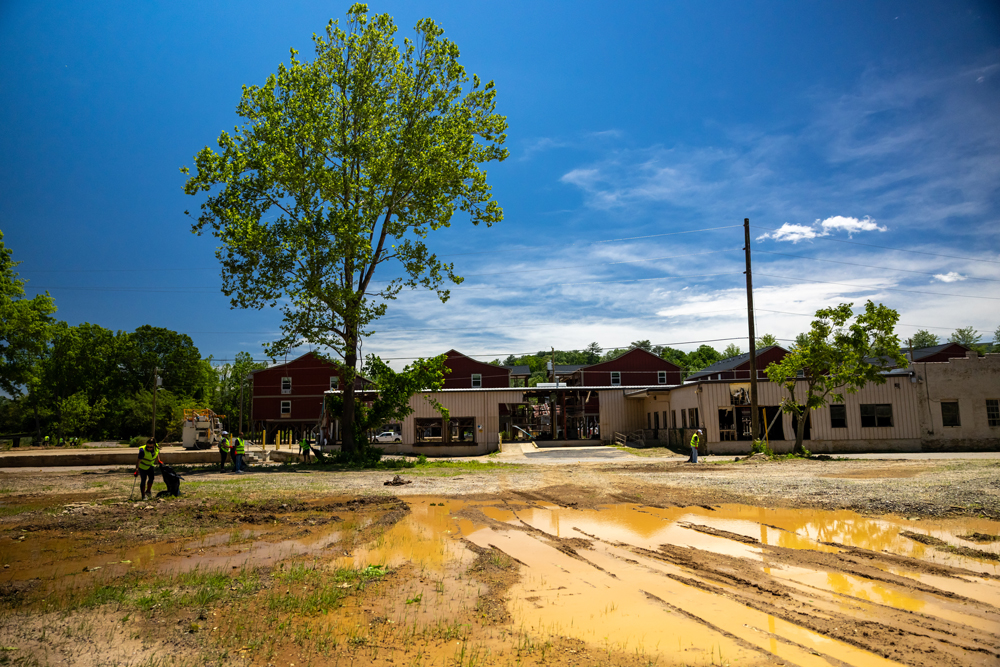
For Yadav, the experience has underscored the difference between immediate relief and long-term recovery. “Relief helps people make it through today,” she reflected. “But recovery is what comes next. Sending boxes of diapers or providing a hot meal can meet an immediate need, but long-term recovery is about creating opportunities, restoring hope, and helping a community not just recover, but thrive for years to come.”
For Western North Carolina, that future is being rebuilt one home, business, and community at a time. And for Pike, it means getting back to doing what he does best: feeding Asheville, one plate of barbecue at a time.
To learn more, visit Truist Cares for Western North Carolina
