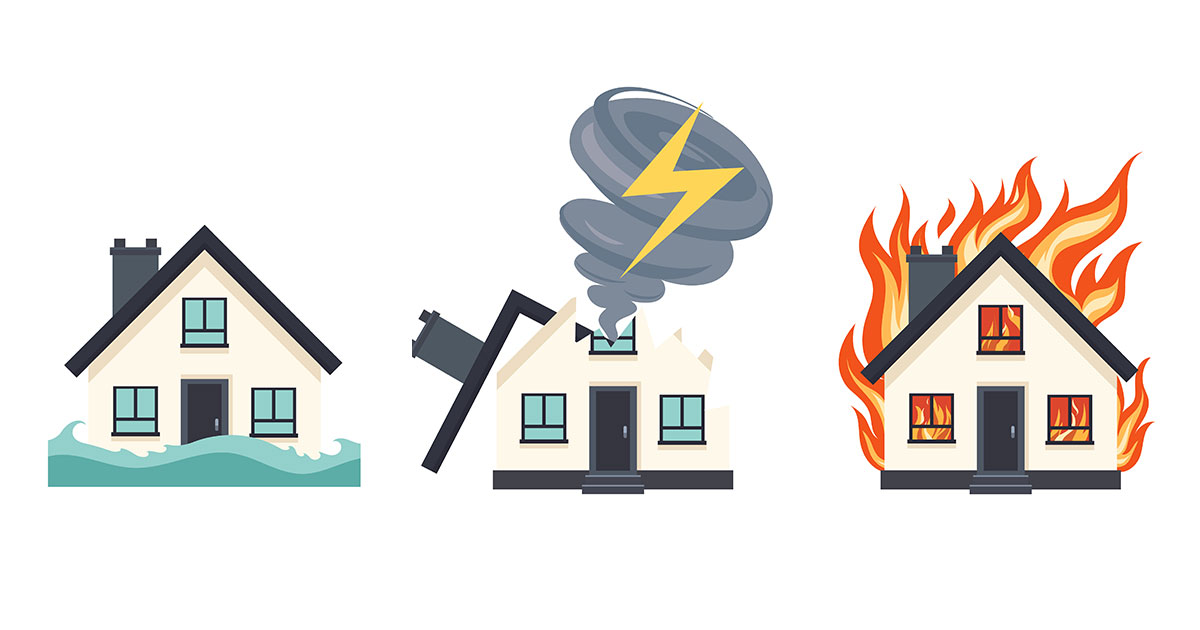
For years, homeowners have focused on protecting their homes from disasters. Today, there’s an even more compelling reason to invest in resilience: protecting your ability to obtain and keep affordable insurance.
As weather extremes become more frequent and costly and markets constrict, insurers are paying closer attention to how homes are built, maintained, and upgraded. While no single improvement guarantees better coverage or lower premiums, resilient homes generally present less risk — and that’s good for homeowners and insurers alike.
The good news? Many of the improvements that make a home stronger are affordable, practical, and proven, and they protect against multiple disasters at once.
Home resilience upgrades
Consider these resilience upgrades:
Earthquake
- Strap water heaters and secure heavy appliances and furnishings
- Bolt basement walls to the foundation
- Brace cripple walls where needed
- Reinforce older chimneys and masonry components when appropriate
Flood
- Check drainage, keep gutters and downspouts clear, and consider improving grading to ensure water flows away from your home
- Elevate utilities and critical mechanical equipment above expected flood levels
- Install flood openings where appropriate and use flood-resistant materials in vulnerable areas
Hurricanes and high wind
- Wind-rated roofing installed to current building codes
- Sealed roof decks that help prevent water intrusion if shingles are lost
- Hurricane straps or clips that strengthen the roof-to-wall connection
- Impact-resistant windows and doors
- Wind-rated garage doors that protect the home’s largest opening
Severe thunderstorms and hail
- Insurance Institute for Business & Home Safety FORTIFIED Roof™ features, including sealed roof decks and enhanced roof attachments
- Impact-resistant roofing products designed to withstand hail
- Proper flashing, drip edges, and roof ventilation that help reduce water damage after storms
Tornado and extreme wind
- Strengthen roof connections and your continuous load path
- Install shutters or impact-resistant windows
- Secure attached structures, including porch and carport columns
- Upgrade to a wind-rated garage door
- Anchor outdoor equipment to resist wind uplift
Wildfire
- Create a 5-foot ember-resistant zone immediately around the home
- Remove combustible vegetation and maintain defensible space
- Install ember-resistant vents and screen openings
- Choose ignition-resistant roofing, siding, decks, and fencing whenever possible
Remember, many of these improvements overlap. A stronger roof, better roof-to-wall connections, impact-resistant windows, and thoughtful home and lawn maintenance improve performance against earthquakes, floods, wildfire, and high winds.
That’s why resilience is one of the smartest long-term investments a homeowner can make.
Where to start
Whether you’re buying, renovating, or simply planning your next home improvement project, start by reviewing If Disaster Strikes, Will You Be Covered? and the detailed checklists in the Buyer’s Guide to Resilient Homes. Next, explore StrongHomesScale.org. The free assessment will help you identify and prioritize opportunities to strengthen your home for the disasters common where you live. This will begin a resilience journey that can make your home safer, stronger, and increasingly attractive to insure for years to come.
Ultimately, housing affordability means more than the price of getting into a home; it means keeping you there, protected from disasters, able to obtain insurance, and spared avoidable repair costs for years to come. That’s what resilience can deliver, because truly affordable housing isn’t simply cheaper to buy; it’s less expensive to own.
