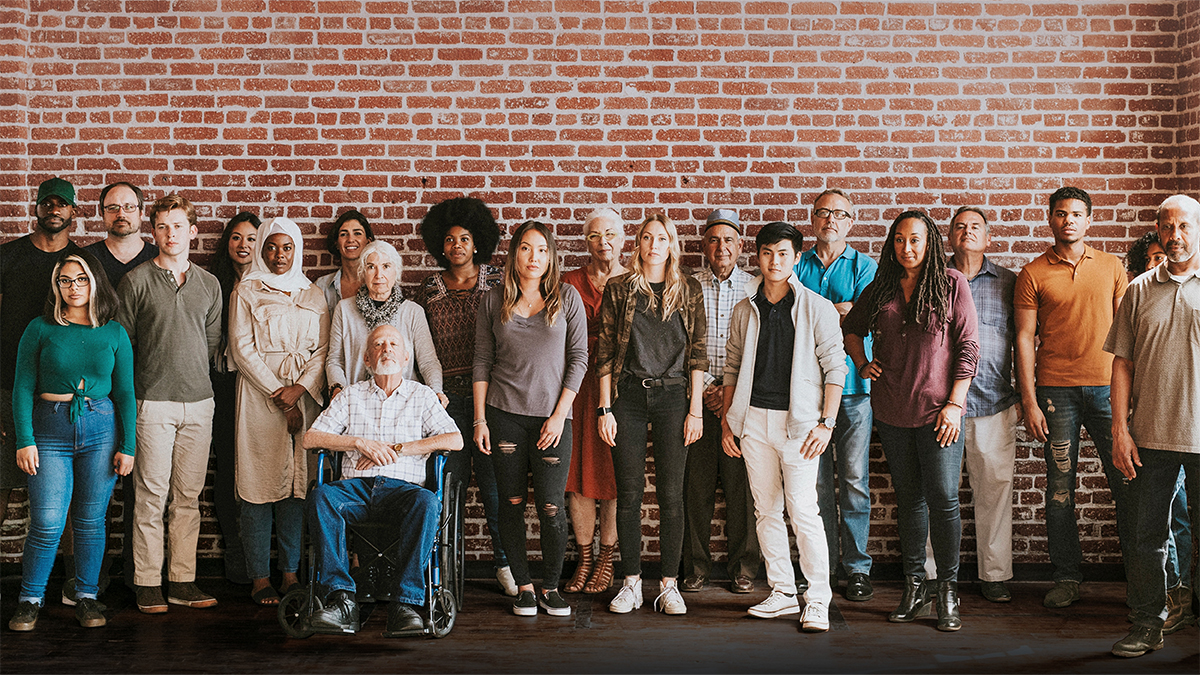
Latino elected and appointed officials now serve at every level of American government, reflecting a community as vast and varied as the nation itself.
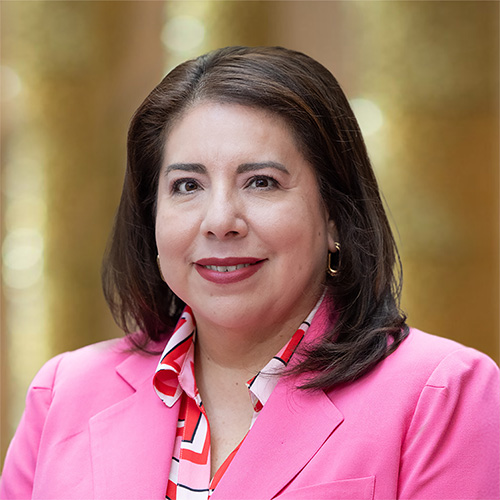
Erica Bernal-Martinez
Chief Executive Officer, NALEO and NALEO Educational Fund
Estimated reading time: 3 minutes
The number isn’t the story
More than 8,000 Latinos hold elected and appointed office across the United States — from school boards and city councils to statehouses and Congress. That number is historic. But the real headline isn’t the number. It’s what the number represents: a community that has increasingly claimed its seat at the table and brought with it an entire spectrum of lived experience that no one statistic can contain.
There is no single Latino experience. And that truth is one of the most important things to understand about Hispanic representation in American public life.
A community that contains multitudes
Latino elected officials come from Puerto Rico and Peru, from the Texas border and the California coast, from multigenerational farmworker families and recent immigrant households. They speak different dialects. They hold different political philosophies. They represent different economic realities — and that is exactly as it should be.
When people talk about Latino representation, the conversation sometimes collapses into a single narrative: the immigrant story, the border story, the underdog story. Those stories are real, and they matter. But they are not the whole picture.
A Salvadoran American city councilmember in suburban Virginia is representing her community. So is a third-generation Mexican American senator in Arizona. So is a Cuban American mayor in South Florida. Their paths, priorities, and constituencies differ — and collectively, they reflect the actual breadth of Hispanic America.
That diversity isn’t a complication. It’s the achievement.
Why representation changes what’s possible
When elected officials genuinely reflect the communities they serve, policy becomes more responsive. Budget priorities shift. Services reach people they previously missed. Conversations that never happened inside a city hall or state legislature finally begin.
Latino leaders who represent communities with distinct needs — whether those needs center on housing affordability, small-business creation, language services, or health care — bring perspectives to the room that change outcomes. That’s not a theory. It’s what happens when the table gets bigger.
Representation is the starting line
Celebrating the rise of Latino elected officials doesn’t mean the work is done. Communities expect their leaders to govern well — to stay current on the issues reshaping daily life, build effective coalitions, and deliver results that go beyond symbolism.
That combination of diverse representation backed by practical governing skill sets a new standard for what public service can look like in America.
The milestone is real. So is the opportunity that comes with it.
